Learning chess doesn't stop when the lesson ends. Even if your child attends a top chess academy, what happens at home often determines how steadily they improve. With the right approach, self study transitions from a forced chore into a powerful, self-sustaining habit.
Here is how parents can foster that growth.
Build a Simple Weekly Structure
I've seen many students work intensely for a few days, only to completely lose momentum. They feel like they are putting in the effort, but over time, their progress remains inconsistent.
Improvement in chess comes from consistency, not brief bursts of intensity. A successful chess training program at home should include clear weekly targets:
A fixed number of daily puzzles.
A set number of thoughtful, focused practice games.
Specific opening ideas or endgame concepts to review.
Combine Books and Digital Practice
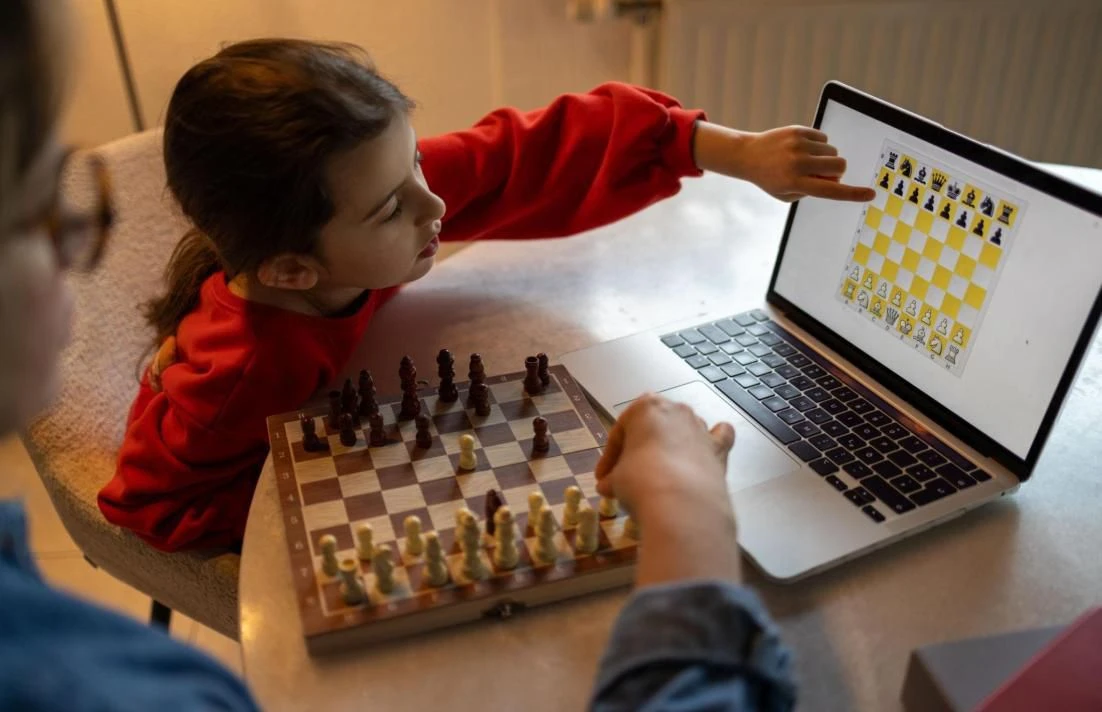
A mix of traditional and modern formats works best. Solving puzzles from physical books, even attempting them blindfolded, drastically improves deep calculation and visualization skills. At the same time, digital platforms help build speed and pattern recognition. Structured digital tools, like Chessable, can be excellent additions to their routine.
Track Work Daily
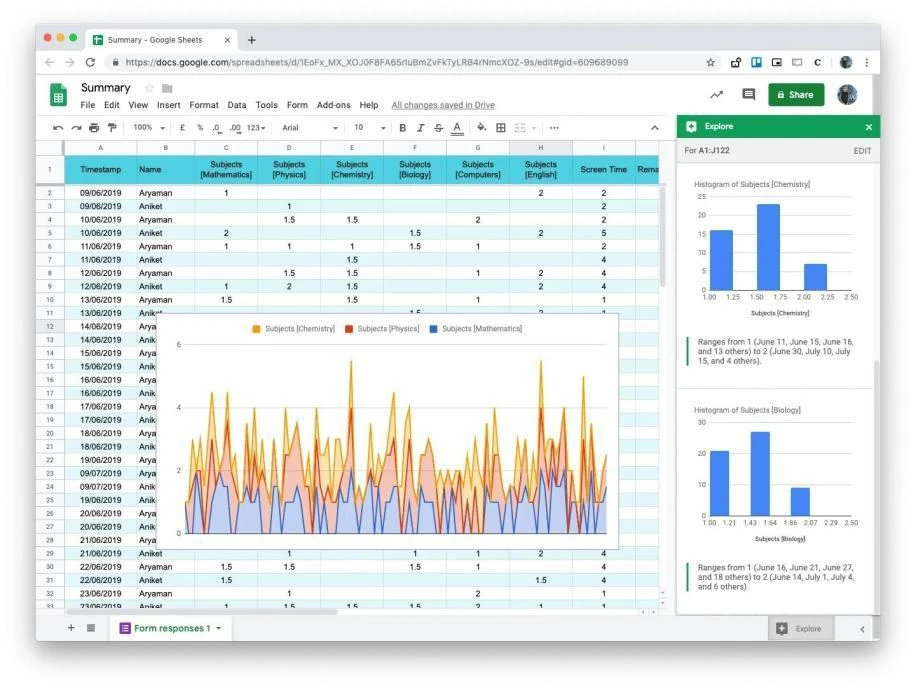
What gets tracked gets done. Maintaining a simple Google Sheet to record daily work (puzzles solved, games played, topics covered) builds accountability and discipline. In my experience, children who track their daily work are far more consistent and deeply aware of their own progress.
Encourage Independent Thinking
One of the most common mistakes I see is over-involvement from well-meaning parents. Pointing out every missed tactic or constantly guiding their moves may seem helpful in the moment, but it ultimately reduces a child's ability to think independently. Children improve faster when they are allowed to think, make their own mistakes, and learn from them organically.
Create a Positive Learning Environment
Progress in chess is rarely a straight line; it includes plenty of ups and downs. Children need to feel comfortable experimenting and blundering on the board without the fear of criticism or comparison.
Focus on Long-Term Development
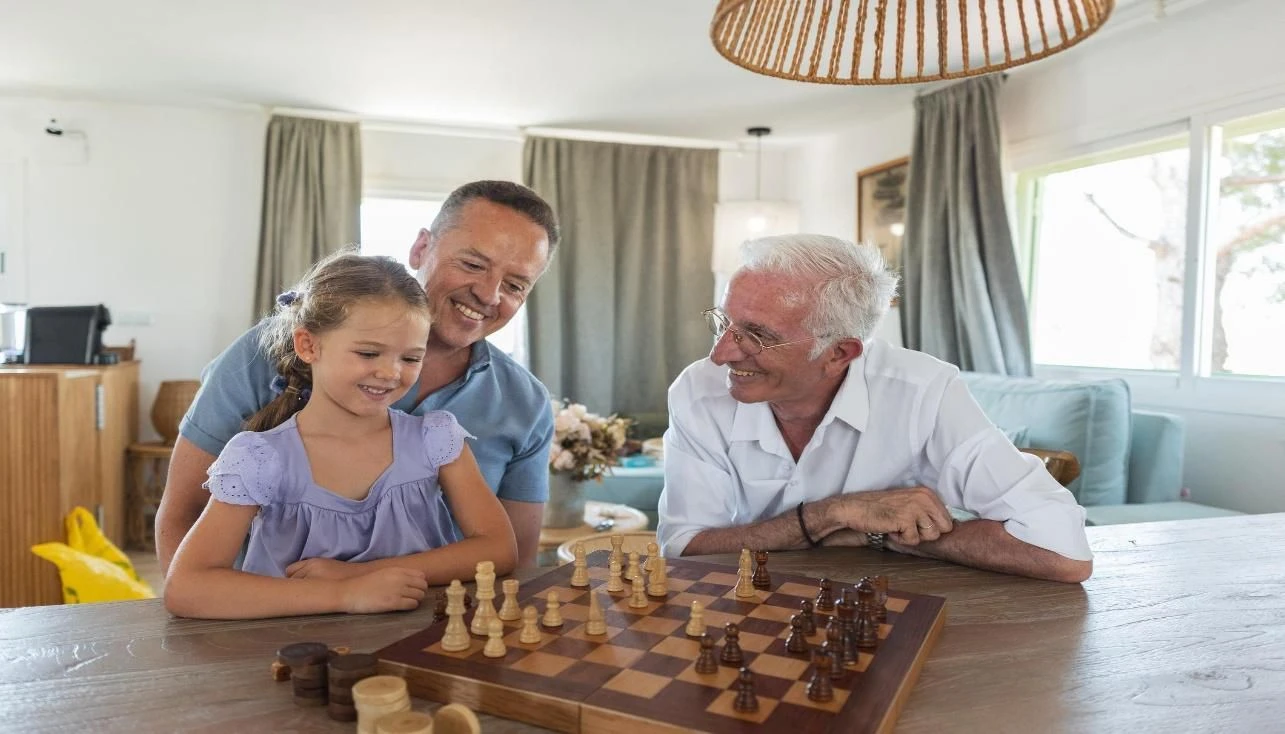
I've noticed that the difference between steady improvers and those who plateau is almost never natural talent. It is usually consistency, structure, and the emotional environment around them.
A balanced combination of structured self study, independent thinking, and emotional support is the true secret to steady, lasting progress.
Frequently Asked Questions (FAQs)
1. How much time should my child dedicate to their home chess training program?
Consistency is more important than volume. For most young players, 30 to 45 minutes of focused daily practice, split between puzzles and playing, is highly effective. The key is sticking to the routine every day rather than cramming hours into the weekend.
2. Do I need to know how to play chess to help my child improve?
Not at all. Your role isn't to teach them strategy, that is the job of their coach at a top chess academy. Your role is to help them maintain their schedule, track their progress, and provide a positive, stress-free environment for them to practice.
3. Should I help my child during their online practice games?
No. While it is tempting to point out a good move or warn them of a threat, helping them during a game prevents them from developing critical problem solving skills. Let them play independently, make mistakes, and review the game afterward to learn from those errors.